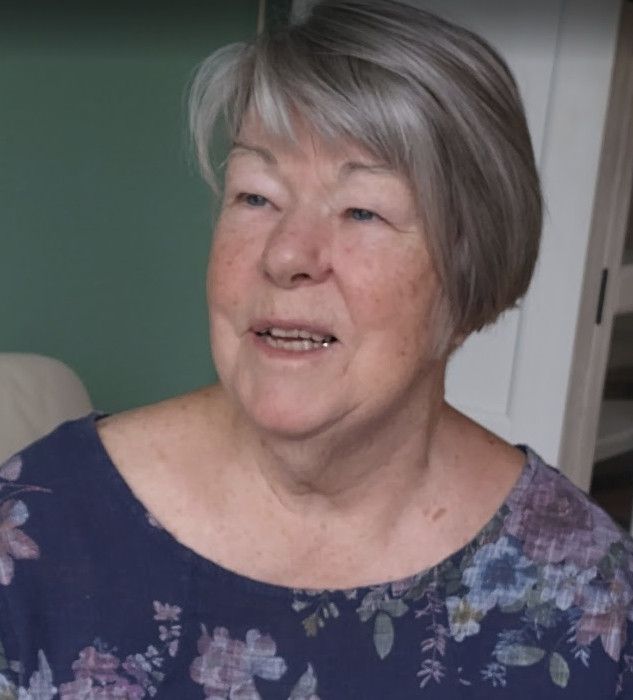
Els Hengstmengel-van der Graaf - secretary at Van Nievelt Goudriaan
On this website, women from the maritime sector share their stories. This is the story of Els Hengstmengel-van der Graaf.
What kind of work do you do?
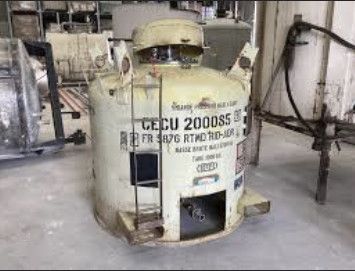
In 1967, I became an assistant secretary at Van Nievelt Goudriaan. I started working in the Lignes de l'Etoile Blanche (LEB) department. That department operated coastal shipping lines from North Africa and the Middle East to France, Belgium, and the Netherlands. They mainly transported fruit, sherry, port, and wine. I remember that supermarket Albert Heijn wanted Dutch people to start drinking wine, and therefore purchased wine in large quantities. It was transported in “safraps,” tanks with a capacity of 5,200 liters and essentially the precursor to the container. In Zaandam, the wine was unloaded and bottled. But tetrapacks were also filled with “Pinard” there. Container shipping was still in its infancy. At the office, there were already many discussions about the pros and cons of this mode of transport. Today, we know that container shipping is indispensable, and that ships are getting bigger and bigger.
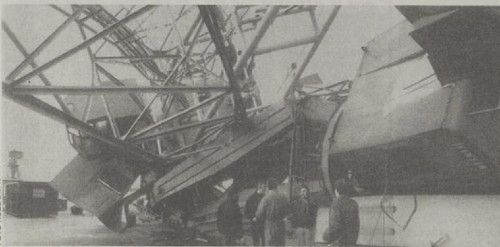
In 1971, I left the shipping industry for a completely different sector, I got married and became a mother and housewife. When I wanted to return to work in 1985, there wasn’t much part-time work available. It was a stroke of luck that I ended up back in the maritime sector in 1990. I started working as a secretary at a maritime surveying firm. All kinds of damage to ships and shipping-related matters were assessed, appraised, and evaluated there. I worked primarily for one of the experts who mainly handled damage to containers at ECT. For a while I also worked at the Maasvlakte, where we had a small office. All those endless rows of containers, the trucks delivering and hauling them away, the large straddle carriers and forklifts with spreaders to lift the containers and place them correctly—I found it all quite fascinating.
Does being a woman play a role in your work?
I don’t think being a woman played much of a role in my work back then. I was raised with the idea that every person — including women — should be able to be independent. I had to earn my own money and not be dependent on anyone. I managed to do that quite well. In the 1960s, very few women worked in the port. There were no helmswomen, female engineers or crane operators yet.
But that doesn’t mean there were no women working in the maritime sector. Because every day the offices were filled with typists, telephone operators, telex operators, and secretaries who typed letters, telexes, bills of lading, and invoices, arranged the gentlemen’s appointments, made phone calls, and occasionally served a cup of coffee.
These days, the focus is more on “what a man can do, a woman can do too.” Women can do it better sometimes, in a different way, or from a different perspective. It’s just that (some) men still have a hard time accepting that. I think it’s great that there are hardly any restrictions left on women’s work.
What do you like most about your job?
I still find the Port of Rotterdam an interesting area with a very special beauty. It’s incredible how people have created a completely new, bustling part of Rotterdam out of sand, water, and stones. Rows of cranes, ships coming and going—it never fails to captivate me.
These days, the focus is more on “what a man can do, a woman can do too